The Canopy Is Part of the Drainage System
Ann Arbor’s “Tree Town” identity is visible from the sidewalk, but its maintenance effect begins higher up. A roof beneath mature maples and oaks is not simply shaded. It is positioned below a seasonal supply of leaves, twigs, flowers, seeds, and fine organic particles. The roof collects that material, its slopes move it toward valleys and eaves, and the gutter receives whatever reaches the edge.
Thinking of the canopy as an upstream part of the system changes the cleaning question. A universal interval becomes less useful than the location of branches, the shape of the roof, and the debris cycle of the trees above it. Two nearby homes can therefore need different attention without either one being neglected.
Large Leaves Create Volume
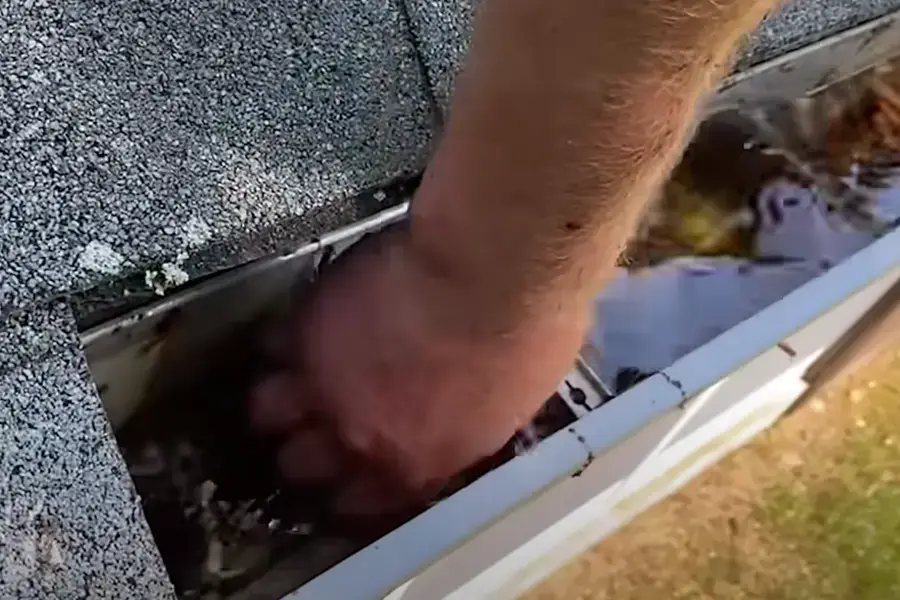
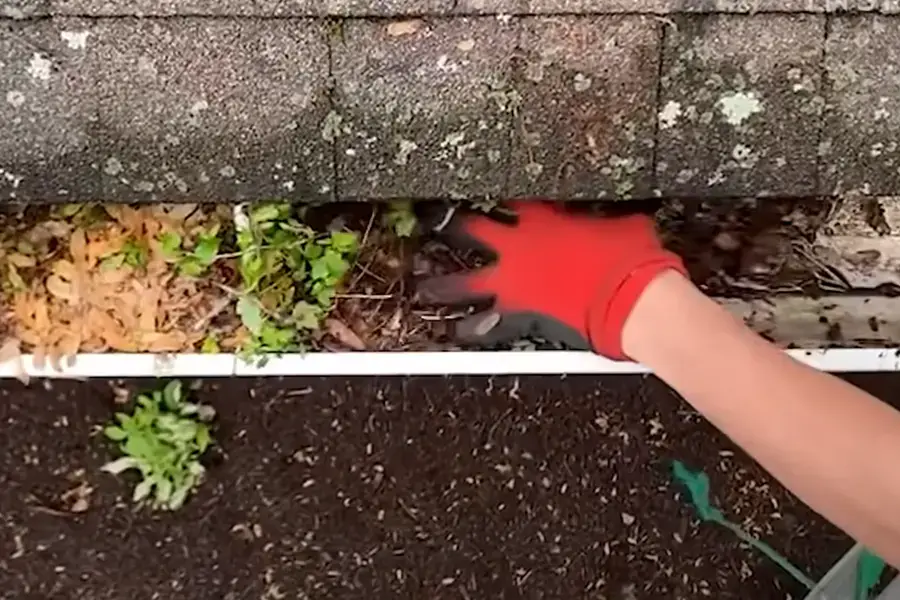
Autumn is the obvious season because broad leaves can fill a channel quickly. Dry material initially leaves many air spaces. Rain collapses it into a flatter layer and carries small particles into those spaces. The result stores water and can cover the outlet even when the top of the pile still looks loose.
Not every section fills equally. Wind pushes leaves toward sheltered returns. Valleys collect material from adjoining roof planes. Inside corners receive several paths at once. A straight run below an open roof may remain clear while a short, protected section becomes the main restriction.
This is why timing should follow the dominant trees over the particular house. Cleaning while most leaves remain attached can be undone quickly. Waiting is reasonable when water still moves and the drop is active. Existing overflow, however, is evidence that the current route needs attention before the perfect final leaf falls.
Spring Material Creates Density
The spring round is quieter. Maple samaras wedge into small openings. Oak catkins bend and layer over screens. Seed fluff catches on damp residue. These materials can collect at the outlet or form a thin mat on a guard without producing the dramatic appearance of an autumn gutter.
Fine debris also explains why a fall cleaning does not automatically carry every shaded roof through the next year. The roof has received a different load. Where nearby trees produce that load, a ground-level check after spring seed fall can be useful. Where the roof remains open and water discharges normally, another cleaning may not be necessary.
Branch Position Matters More Than the Neighborhood Name
Look at which roof planes sit under crowns. A branch over the rear slope may send material to a gutter that is invisible from the street. A tall tree beside the house can still deliver windblown leaves to the opposite corner. Trim status, roof pitch, and nearby structures all modify the route.
This does not mean every overhanging branch should be removed. It means canopy position belongs in the maintenance map. Observe the roof after a debris event and note which runs fill first. Repeated patterns provide better planning information than a generic reminder.
What Guards Change Under Trees
Guards can keep broad leaves from entering the channel, but the canopy still exists above them. Catkins and fluff may mat on fine mesh. Samaras can lodge in larger openings. Twigs can hold other material at an edge. The maintenance surface shifts upward; it does not vanish.
The best guard question is specific: which recurring debris is difficult to manage, what opening would address it, and how will the cover be inspected later? An open, accessible gutter on a lightly affected roof may be simpler than a cover. A heavily shaded, difficult run may justify the tradeoff.
Build a Roofline Map
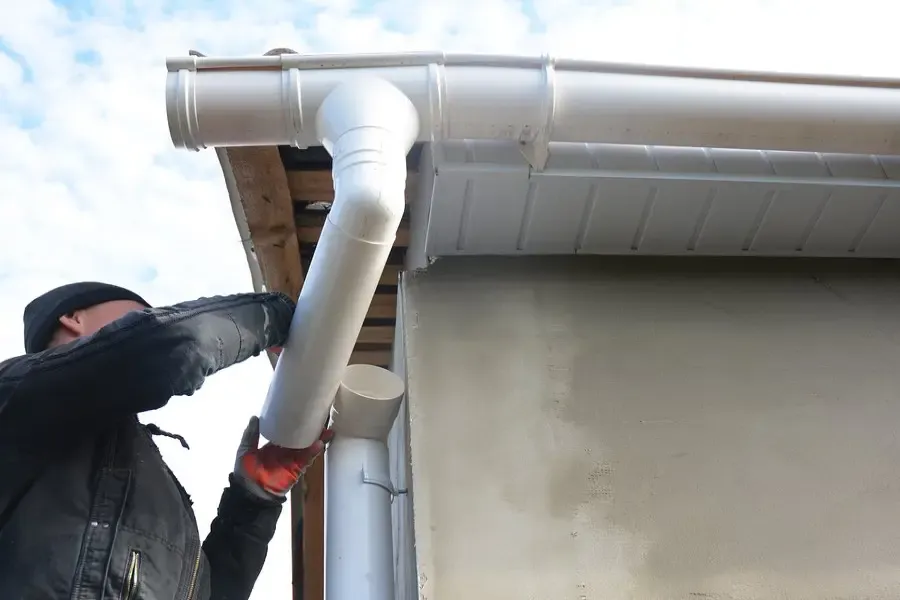
From safe ground, identify the tree-covered slopes, valleys, short returns, outlets, and downspout endpoints. After rain, note where water spills and where each extension releases it. Repeat the observation after spring debris and autumn leaves. That small map turns “Tree Town” from a slogan into practical maintenance information.
If the route is blocked, our gutter cleaning service explains what to address. For a free quote based on the canopy and roof form at your property, call (734) 838-4946.